D.M.S- Best Digital Marketing Agency in Agra: A clear Guide
What Is Digital Marketing, and Why Does It Matter?
Definition of Digital Marketing in Today’s Business Environment
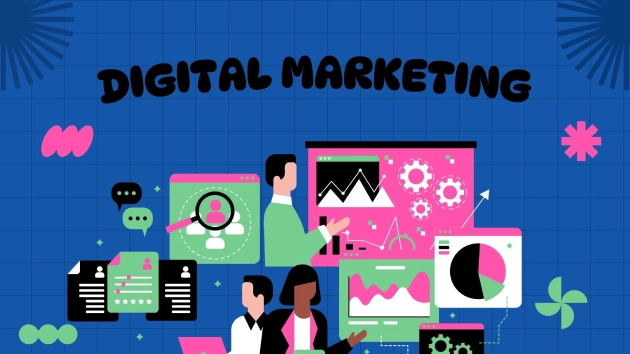
Digital marketing refers to the use of online channels—search engines, websites, social platforms, email, and paid advertising—to reach potential customers where they already spend time. Industry definitions from platforms like HubSpot describe it as a measurable, data-led approach to promotion that allows businesses to track visibility, engagement, and conversions in real time. Unlike offline marketing, digital channels provide feedback loops that help businesses adjust strategy based on actual performance rather than assumptions.
How Digital Marketing Connects Local Businesses With Online Customers
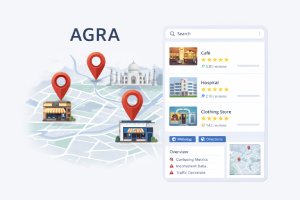
Google’s search documentation shows that a large share of local searches carry immediate intent, such as calls, directions, or visits. When someone searches for a service “in Agra” or uses “near me,” they are often ready to act. Digital marketing connects these intent-driven users to businesses through local SEO, paid search, maps listings, and optimized landing pages, making discovery easier at the moment of need.
Difference Between Traditional Marketing and Digital Marketing
Traditional marketing relies on fixed placements and broad exposure, while digital marketing allows targeting by location, device, interests, and search intent. Digital campaigns can be paused, refined, or scaled based on performance data. This flexibility is one reason industry analysts consistently point to digital channels as more cost-efficient for small and mid-sized businesses.
Why Do Businesses Need Digital Marketing?
Changing Customer Behavior and Online Search Trends
Customer research behavior has shifted. Buyers now compare options online, read reviews, and evaluate credibility before contacting a business. Think with Google has documented how users move between search, maps, and websites during decision-making. Businesses without a visible and consistent digital presence often lose opportunities before the first interaction.
Importance of Online Visibility for Local Businesses in Agra
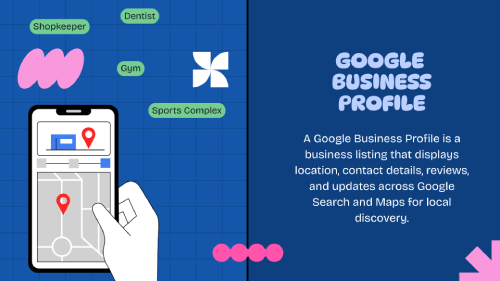
For local markets like Agra, visibility in location-based searches is especially relevant. Appearing in organic results, map listings, and local service pages helps businesses compete with larger brands by focusing on proximity and relevance. Google Business Profile optimization and locally focused SEO are central to this visibility.
Role of Digital Marketing in Brand Awareness and Trust
Consistent messaging across search results, websites, and social platforms reinforces legitimacy. Reviews, accurate business information, and useful content all contribute to trust signals that influence decisions. Digital marketing allows businesses to manage and align these signals in a controlled way.
Why Should You Hire Us
Expertise, Tools, and Industry Experience
Professional agencies work with established tools such as Google Analytics, Search Console, ad platforms, and reporting dashboards. HubSpot and Forbes both note that experience with these tools—and the ability to interpret the data correctly—matters more than simply having access to them. An agency brings structured workflows that reduce trial-and-error.
Time and Cost Efficiency for Business Owners
Managing campaigns, tracking performance, and making ongoing adjustments requires time and consistency. For business owners, outsourcing these responsibilities allows focus on operations while still maintaining marketing momentum. Agencies often spot issues or opportunities faster due to pattern recognition from prior work.
Data-Driven Strategy and Performance Tracking
Agencies are expected to set benchmarks, monitor trends, and explain outcomes. Clear tracking links activity to results such as leads, calls, or enquiries. This approach aligns with industry guidance that stresses accountability over activity volume.
Why Choosing the Right Digital Marketing Agency Matters
Impact of the Right Strategy on Business Growth
A suitable agency prioritizes actions based on business goals rather than offering every service at once. Forbes frequently highlights strategy alignment as a key differentiator between agencies that deliver steady progress and those that produce inconsistent outcomes.
Risks of Working With Inexperienced or Generic Agencies
Agencies that rely on templates or generic tactics may overlook local factors, audience intent, or technical issues. Poor execution can result in wasted spend, unclear reporting, or even penalties in search visibility if best practices are ignored.
Factors to Evaluate Before Selecting a Digital Marketing Agency
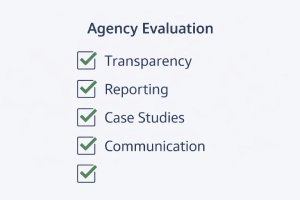
Evaluation should include clarity of process, transparency in reporting, understanding of the local market, and the ability to explain why specific channels are recommended. Platforms like Clutch emphasize reviewing case studies, retention, and communication practices rather than promises alone.
Services We Provide
What Is the Average Cost of Hiring a Digital Marketing Agency
Factors That Affect Digital Marketing Pricing
Monthly Retainer vs Project-Based Pricing Models
Cost Comparison for Small, Medium, and Growing Businesses
Pricing varies based on scope, competition, required expertise, and timeline. Clutch’s market overviews show that costs depend more on complexity and service depth than on business size alone.
Retainers are common for ongoing optimization and reporting, while projects suit audits, setup work, or short-term initiatives. Industry guidance generally favors retainers when continuous improvement is required.
Smaller businesses often start with focused services, while growing companies expand into multi-channel strategies. Evaluating cost against expected outcomes and reporting clarity provides better context than headline pricing.
How We Work
Our Research-Driven Digital Marketing Process
Work begins with understanding the business, audience, competitors, and existing data. This mirrors best-practice frameworks recommended by HubSpot and Google.
Custom Strategy Planning Based on Business Goals
Each strategy links channels to measurable objectives such as leads, calls, or enquiries. Priorities are set based on impact and feasibility.
Execution, Monitoring, and Continuous Improvement
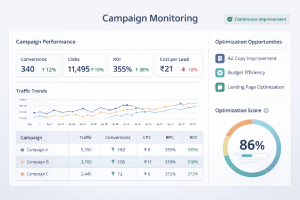
Campaigns are monitored against benchmarks, with adjustments made based on performance trends. This iterative approach reflects standard agency operating models.
Reporting, Insights, and Measurable Results
Reporting focuses on outcomes rather than activity lists. Clear summaries, supporting data, and next-step recommendations keep expectations aligned.
Why D.M.S (Digital Market Services) is the Best Digital Marketing Agency in Agra
Local Market Understanding and Industry Experience
Transparent Communication and Client-Focused Approach
Proven Results for Businesses in Agra and Beyond
Working within the Agra market requires awareness of local search behavior, competition, and customer intent. Local insight helps shape more relevant strategies.
Clear timelines, defined responsibilities, and regular updates reduce uncertainty. Transparency aligns with agency selection guidance from Forbes and Clutch
Rather than broad claims, results are reflected through process clarity, retention, and consistent performance tracking.
Consultation
Free Digital Marketing Consultation for Businesses in Agra
A consultation allows businesses to discuss goals, challenges, and current visibility with the team handling execution.
How to Get Started With Digital Market Services
Initial discussions focus on understanding needs, identifying suitable channels, and outlining a realistic roadmap.
Contact Details and Next Steps
Choosing a digital marketing agency becomes easier when expectations, measurement, and communication are discussed upfront. Businesses seeking a structured, transparent approach can connect with Digital Market Services to explore alignment before committing.
Reach Us And Get In touch With Us !
Have questions or ideas in mind? Reach out to Digital Market Services and let’s discuss how we can support your business goals.